
Boots and accessories usually get tossed in a corner of the garage until the next ride. After a wet weekend or a warm summer trip, your boots, neck tubes, and base layers have had a rough time. They absorb a lot of moisture and sweat during a ride.
Over time, this stiffens boots, wears down stitching, and ruins the stretch in fabrics. Taking a couple of minutes to clean up when you get home makes a big difference in how long they last. In Part 4 of Gear Care 101, we go through practical tips to clean your boots and keep base layers fresh..
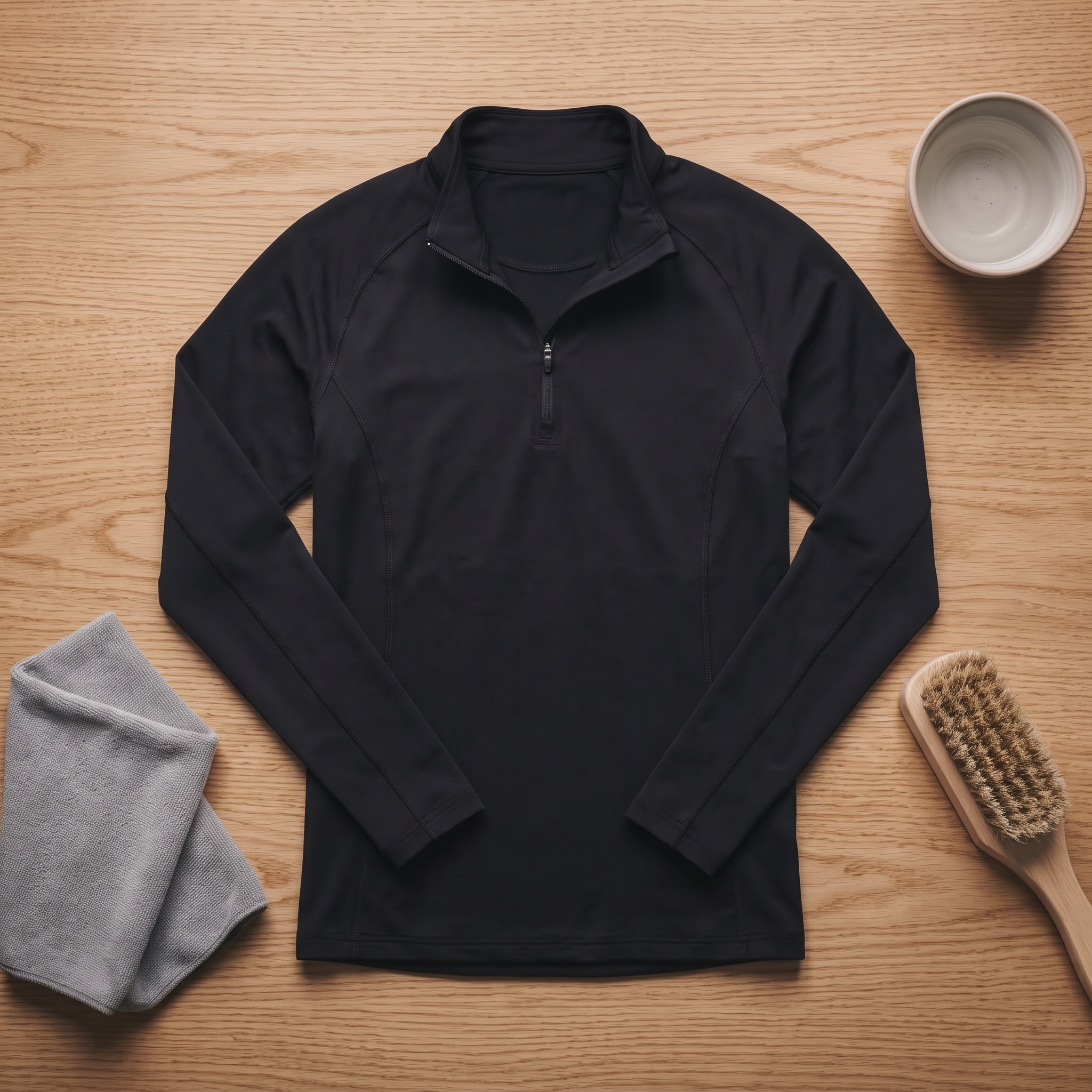
Cleaning your boots after a ride
Do not let wet mud dry into concrete on your boots. Once you are back, grab a soft-bristled brush and some hand-warm water to brush off dirt, road salt, and grime from both leather and textile boots. You do not need to treat them after every single ride, but every once in a while they need extra attention. If you have leather boots, rub in a dedicated leather conditioner or balm when dry to keep the hide supple at the flex points. For textile pairs and seam stitching, apply a textile waterproofing spray occasionally so moisture cannot soak through.
smelly gear is not a badge of honor, it is just bacteria eating your gear
Dealing with moisture and odors
Never leave damp riding boots shoved into a closed, unventilated space after a rainy ride. Trapped dampness is an open invitation for fungus, mold, and odors. Pull the footbeds out so air circulates deep inside the boot. If the insides are soaked, use moisture-absorbing inserts or specialized boot deodorizers to draw out sweat and stop bacteria from thriving. Never put wet boots next to a radiator, because intense heat weakens the glue holding the soles together.
Synthetic and Merino wool base layers
Your base layers, thermal socks, and balaclavas sit right against your skin, soaking up body oils and sweat on every ride. How you wash them depends on what they are made of. Always check the care label first, and never use bleach or fabric softeners. Synthetic base layers dry fast, but sweat and oils break down their elasticity and lock in odors if left unwashed. Wash them frequently on a gentle cycle with minimal detergent. Merino wool layers naturally regulate temperature and resist odors, meaning you do not need to wash them after every single ride. Airing them out overnight often does the trick. When they do need a wash, use a cold wool or delicate cycle with a wool-specific detergent, and lay them flat to dry.
In Gear Care 101, Part 5, we cover proper winter storage and getting your gear ready for spring.
Author: Arthur Renkema


